A complete checklist for practitioners considering Regulated Aesthetic Courses
Wiki Article
Why Regulated Aesthetic Courses Are Crucial for Building a Safe, Specialist Method
Regulated aesthetic courses play a considerable role in cultivating secure and specialist practices within the aesthetic sector. These programs equip specialists with essential understanding about anatomy, security protocols, and the most recent methods. They also assist guarantee compliance with legal criteria, which is vital in maintaining both client safety and expert integrity. CO2 Fractional Laser London. The implications of such training expand beyond simple compliance. Comprehending the more comprehensive effect on customer trust fund and industry liability elevates important questions about the future of aesthetic methodsThe Importance of Safety in Aesthetic Treatments
The importance of safety in aesthetic therapies can not be overstated. As the need for cosmetic procedures grows, guaranteeing patient safety comes to be paramount. Aesthetic specialists have to comply with strict safety methods to lessen dangers and issues. This includes comprehending the anatomy, recognizing prospective unfavorable responses, and using correct techniques. People are worthy of to obtain treatments in a controlled environment where hygiene and devices criteria are preserved. Furthermore, the use of controlled courses assurances that practitioners are well-trained and experienced concerning the current safety guidelines. By focusing on safety and security, practitioners not just shield their customers but also foster depend on and trustworthiness in their methods. Inevitably, a commitment to security adds to the general success and sustainability of the aesthetic sector.
Understanding the most up to date Techniques and Innovations
Advancement in aesthetic therapies is a driving force behind the evolution of the sector. Developments in methods such as micro-needling, laser treatments, and non-invasive body contouring have changed the means practitioners come close to individual treatment. These technologies not only boost outcomes yet additionally focus on client comfort and security. The assimilation of man-made intelligence in treatment planning enables for personalized strategies, maximizing outcomes based on individual client needs. In addition, brand-new products and materials are consistently created, using enhanced efficacy with fewer adverse effects. Staying updated on these improvements is vital for professionals, ensuring they can offer the very best care while sticking to market criteria. This dedication to discovering inevitably cultivates a more efficient and responsible aesthetic practice.Building Client Trust Fund Through Regulated Education
Regulated education plays an essential duty in fostering trust fund between practitioners and customers in the aesthetic sector. When professionals undertake structured training and qualification, they show a commitment to professionalism and trust and expertise. This official education and learning guarantees that aesthetic treatments are performed safely and effectively, supplying customers with confidence in the abilities of their selected expert. Customers are extra most likely to trust professionals that have actually fulfilled sector criteria and regulations, as this suggests a thorough understanding of methods, safety protocols, and moral practices. Moreover, controlled education and learning urges continuous discovering, enabling specialists to stay updated with the current innovations. Consequently, clients can really feel protected recognizing their aesthetic therapies are handled by knowledgeable, qualified individuals dedicated to delivering premium careThe Role of Liability in Aesthetic Practices
While liability is commonly ignored, it acts as a keystone of honest method in the aesthetic market. Professionals need to follow well-known criteria and procedures to ensure customer safety and fulfillment. Liability promotes a society of transparency, where professionals take duty for their decisions and actions. This includes maintaining precise documents, obtaining educated permission, and proactively involving in constant education and learning. By holding themselves answerable, aesthetic professionals show their dedication to quality treatment and honest criteria - Regulated Aesthetic Courses London. Furthermore, accountability devices, such as governing bodies and peer evaluations, create a framework that dissuades negligence and promotes finest techniques. Eventually, a solid liability system is crucial for maintaining trust fund and integrity within the aesthetic field, benefiting both experts and their clientsEnhancing Professionalism And Reliability in the Aesthetic Sector
Legal Needs and Compliance in Aesthetic Training
Lawful needs and conformity are vital elements of aesthetic training, ensuring that professionals satisfy established governing standards. These requirements not only guard public health and security however additionally emphasize the relevance of qualification in the market. Understanding these requirements is crucial for both training establishments and striving aesthetic specialists.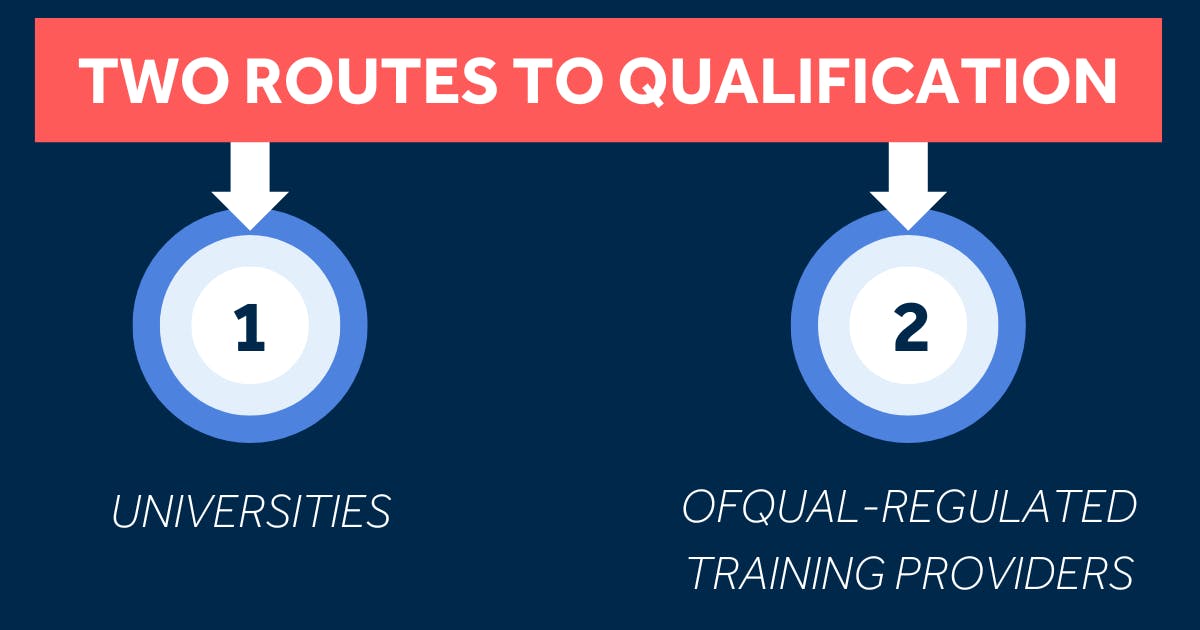
Regulatory Standards Summary
Governing criteria play an essential role in making certain the top quality and safety and security of aesthetic training programs. These standards incorporate a range of legal needs that training institutions must follow, consisting of curriculum web content, trainer certifications, and facility safety and security steps. Compliance with these regulations not just assists keep high educational requirements however likewise safeguards the wellness and health of customers receiving aesthetic treatments. Different governing bodies manage these policies, making certain that programs are consistently upgraded to reflect developments in the field. Organizations providing aesthetic training must demonstrate adherence to nationwide and neighborhood guidelines to accomplish certification. This commitment to governing conformity cultivates trust fund between customers and professionals, ultimately adding to a more secure aesthetic technique atmosphere.
Relevance of Certification
While seeking a career in appearances, obtaining qualification is vital for specialists to assure compliance with lawful requirements and sector requirements. Certification functions as a formal recommendation of a specialist's credentials, ensuring they have the required abilities and expertise to carry out aesthetic procedures securely and efficiently. Additionally, it boosts public count on, as customers typically look for assurance that their suppliers are thoroughly trained and stick to regulative standards. Compliance with qualification needs also alleviates the threat of legal repercussions originating from negligence or insufficient training. On top of that, accredited specialists are frequently better positioned in the affordable work market, as companies prioritize prospects that demonstrate commitment to specialist development and adherence to industry requirements. Ultimately, certification is a keystone of a reliable aesthetic practice.The Long-Term Perks of Purchasing Regulated Courses
Purchasing regulated aesthetic courses can generate substantial long-term advantages for professionals in the elegance industry. To begin with, these courses improve skillsets, making sure practitioners stay upgraded with the latest methods and safety methods. This understanding fosters confidence, making it possible for experts to provide top quality solutions that meet client expectations.Additionally, completing controlled courses often causes boosted integrity and depend on among clients, which can equate right into a loyal client base and increased references. Additionally, specialists might find that their marketability enhances, enabling them to command higher charges for their know-how.
Continuous education and learning can open doors to profession development opportunities, such as specialized functions or supervisory positions within the industry, adding to higher job contentment and financial security in the long run.
Frequently Asked Concerns
What Kinds Of Aesthetic Therapies Need Regulated Training?
Aesthetic therapies calling for regulated training consist of injectables like Botox and dermal fillers, chemical peels, laser hair removal, microneedling, and progressed skin care treatments. Appropriate training assurances safety and security, effectiveness, and adherence to industry standards in aesthetic techniques.Exactly How Can I Locate Accredited Aesthetic Courses?
Individuals seeking certified aesthetic courses can look into reputable institutions online, seek advice from professional associations, and review evaluations. Networking with market specialists additionally assists recognize recognized programs that fulfill certification criteria and assure thorough training.Are Online Aesthetic Courses Thought About Legitimate and Regulated?
If certified by acknowledged institutions, online aesthetic courses can be valid. Nevertheless, guideline varies by jurisdiction, making it crucial for individuals to verify accreditation and warranty that courses meet sector requirements for safety and professionalism and reliabilityWhat Is the Expense of Regulated Aesthetic Training Programs?
The cost of controlled aesthetic training programs usually varies from $1,000 to $5,000, depending on the organization, program size, and consisted of materials. Factors like place and expertise may even more influence prices variations.How Commonly Do I Need to Restore My Aesthetic Accreditation?
Aesthetic certifications typically call for revival every one to 3 years, depending upon the specific program and territory. This ensures practitioners remain present with market requirements, techniques, and safety methods necessary for effective method.Regulated aesthetic courses play a considerable duty in fostering safe and specialist techniques within the aesthetic market. Aesthetic practitioners should stick to strict security methods to minimize dangers and difficulties (Regulated Aesthetic Courses). Regulated education plays an essential duty in cultivating trust fund in between specialists and clients in the aesthetic sector. By focusing on expertise, aesthetic specialists can identify themselves in an affordable market, ultimately leading to raised client commitment and favorable recommendations. Legal demands and conformity are important components of aesthetic training, ensuring that practitioners satisfy established governing standards
Report this wiki page